Pompeii & Poppies
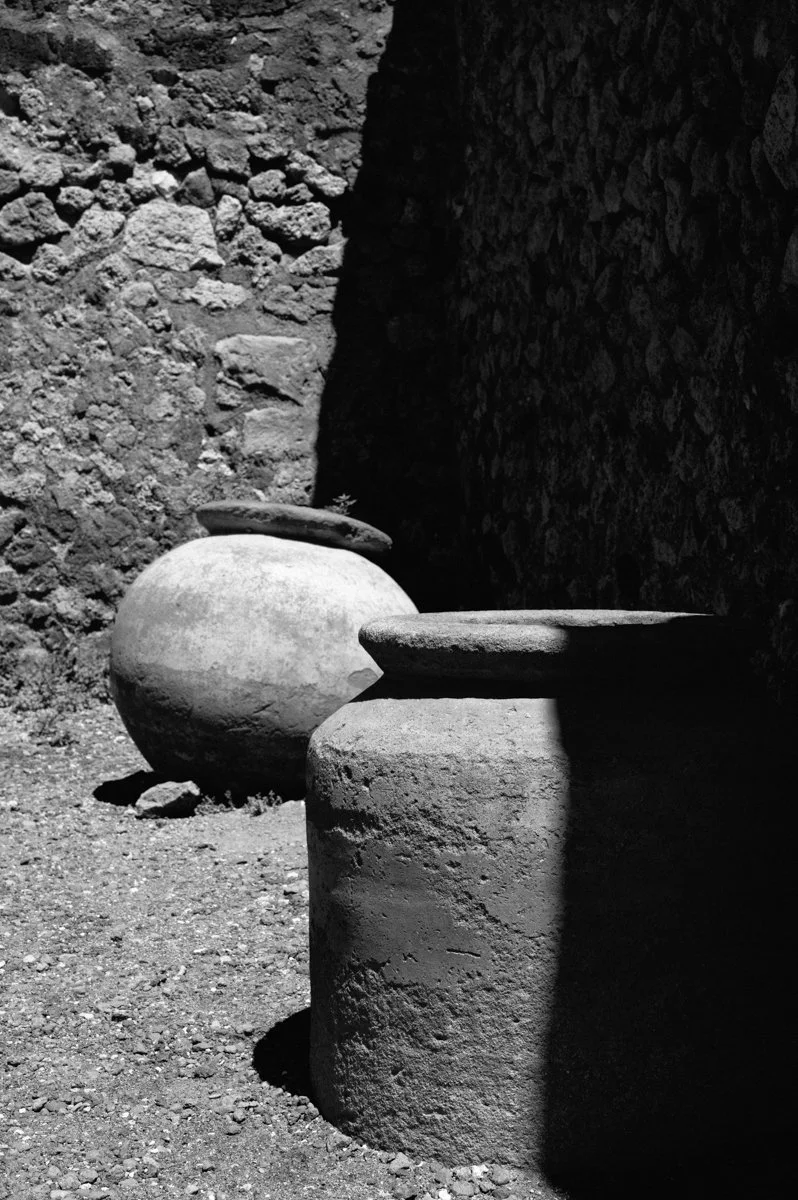
The first time I went to Pompeii was in February 2018. It was cloudy, cold and drizzling. I felt like I had the whole place to myself. Going there from Napoli, I had a seat on the Circumvesuviana - which I now realise is a rare commodity. There was no queue at the entrance, and I spent most of my day aimlessly wandering around this incredibly vast area in alternating states of dreaminess and awe. My only frustration at the time was that I had forgotten to charge my camera the night before and it ran out of battery while I was on the way there.
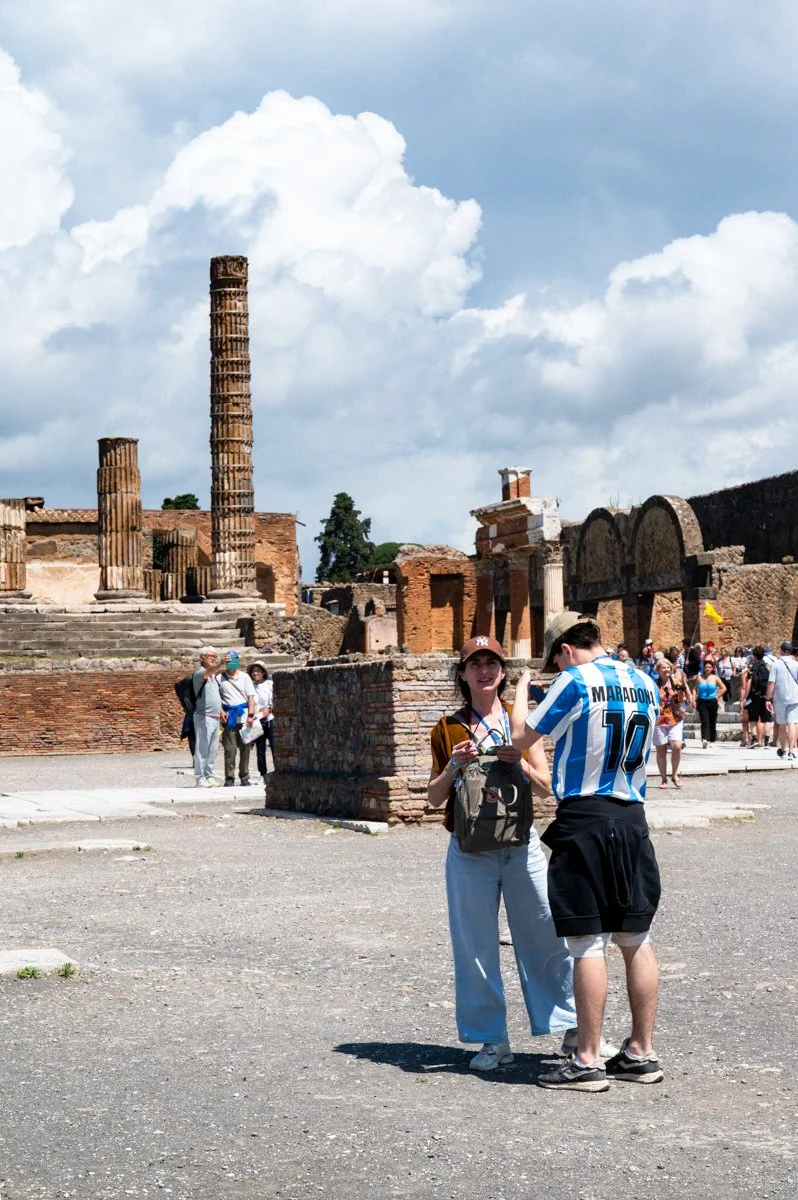
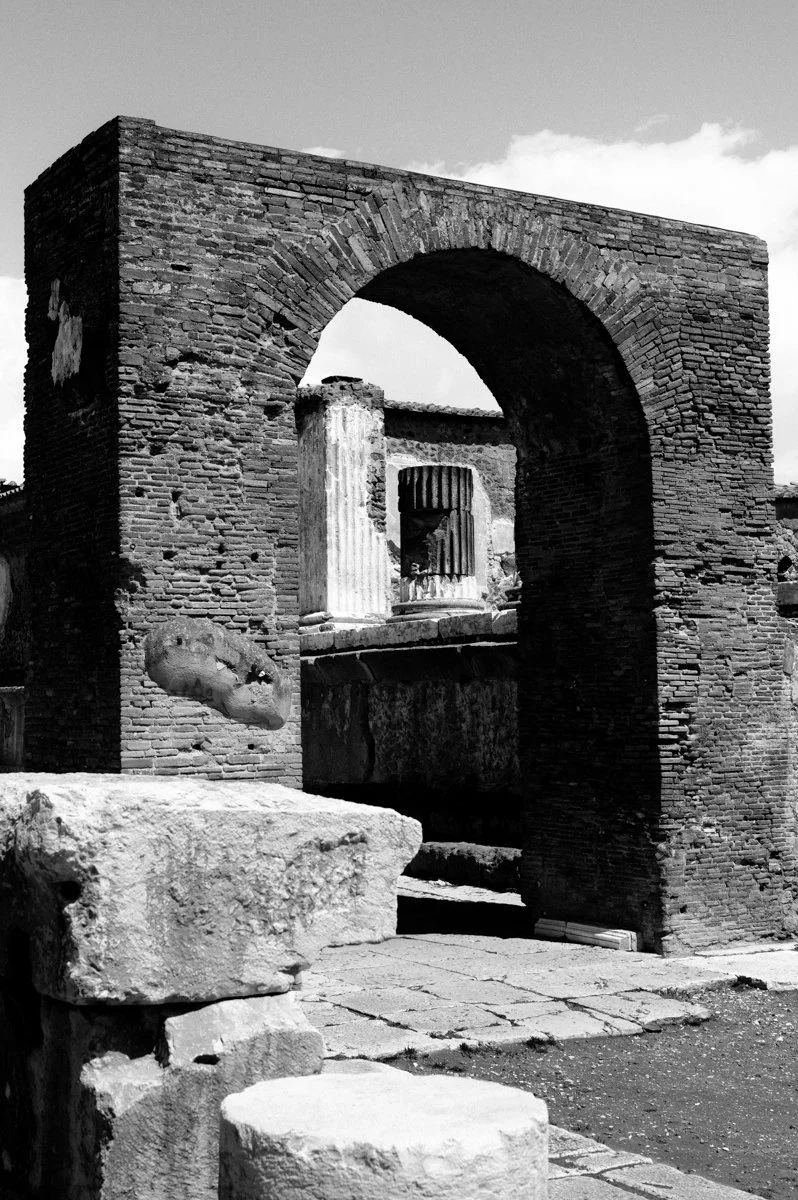
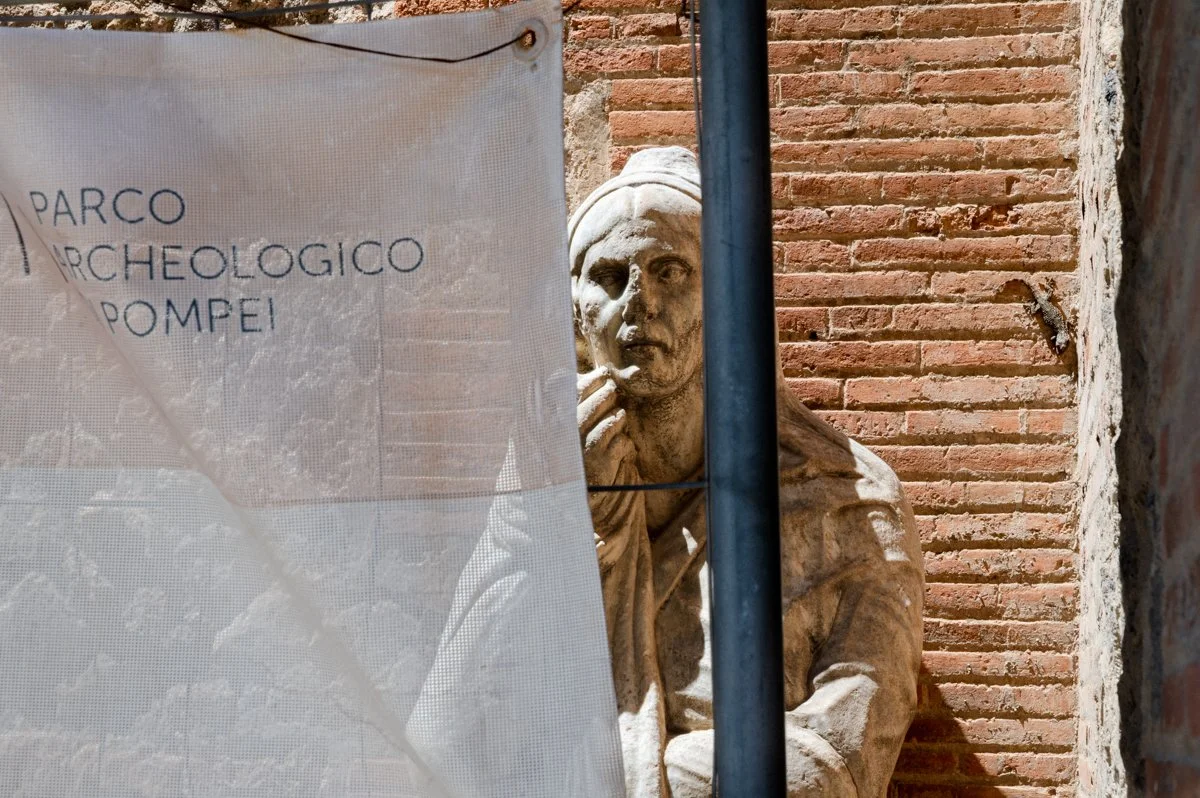
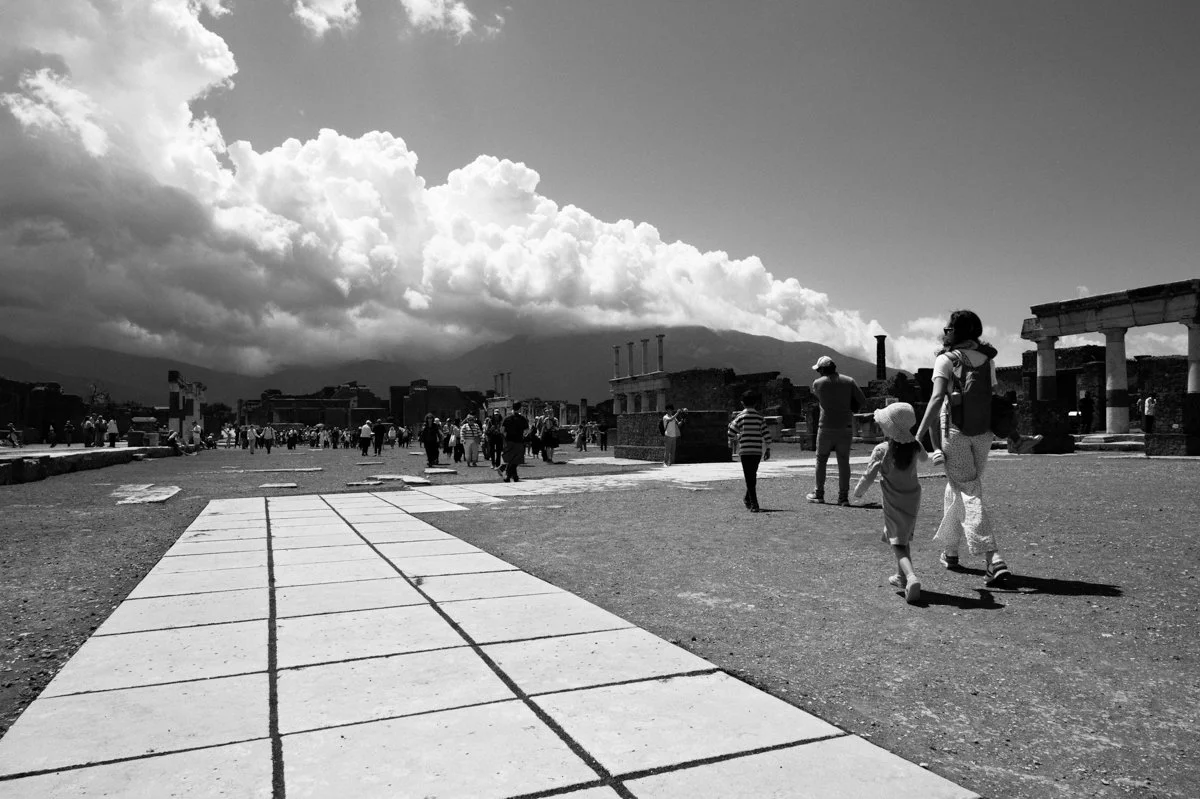
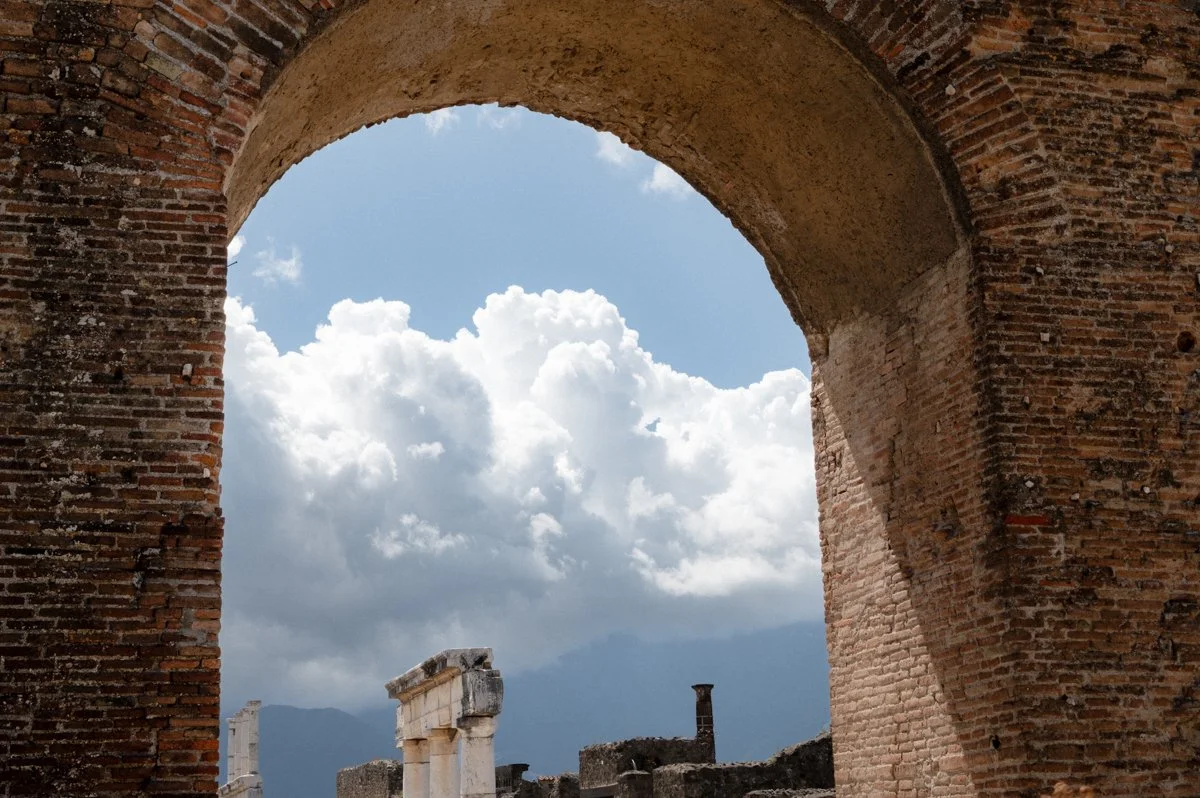
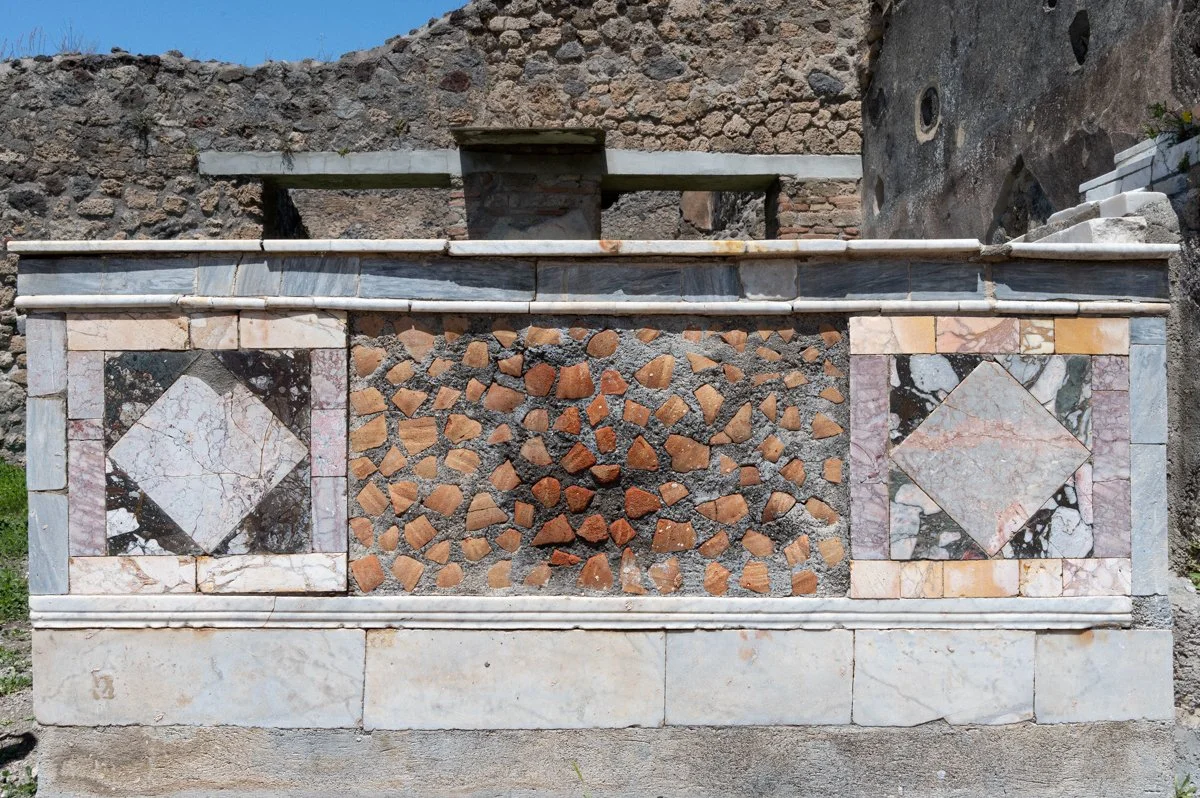
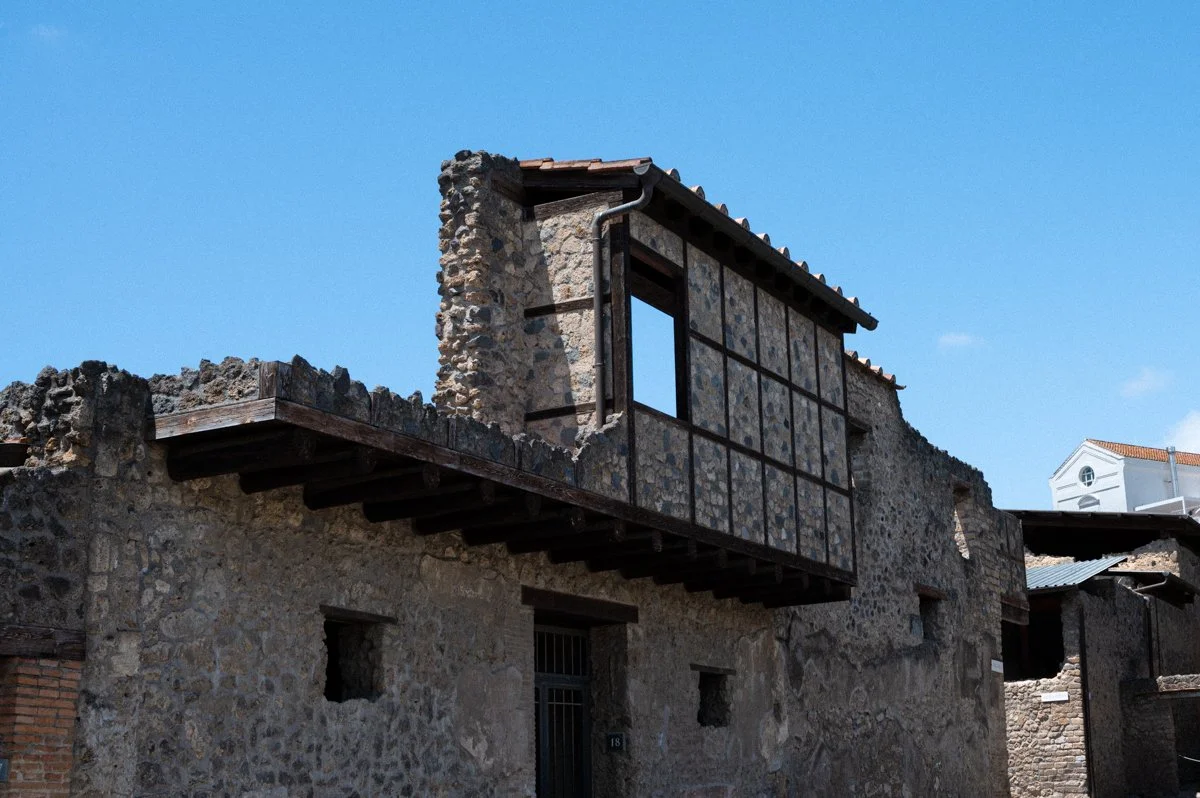
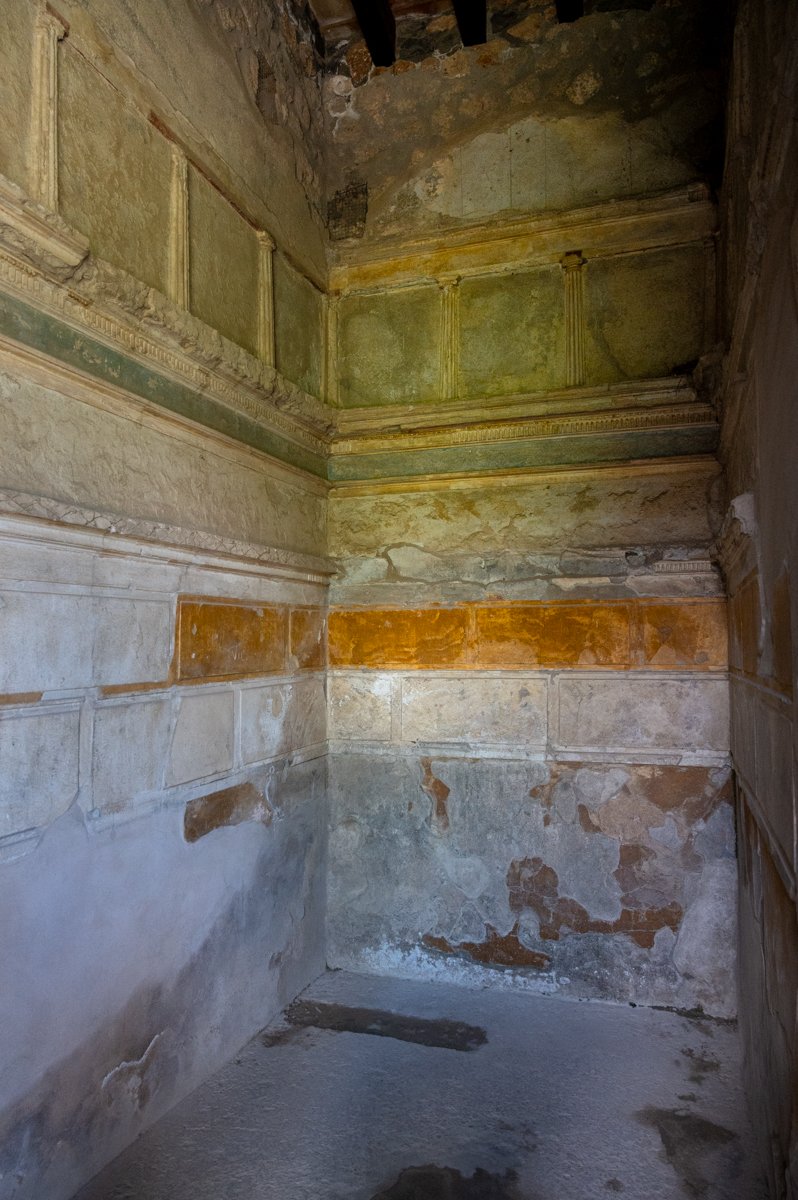
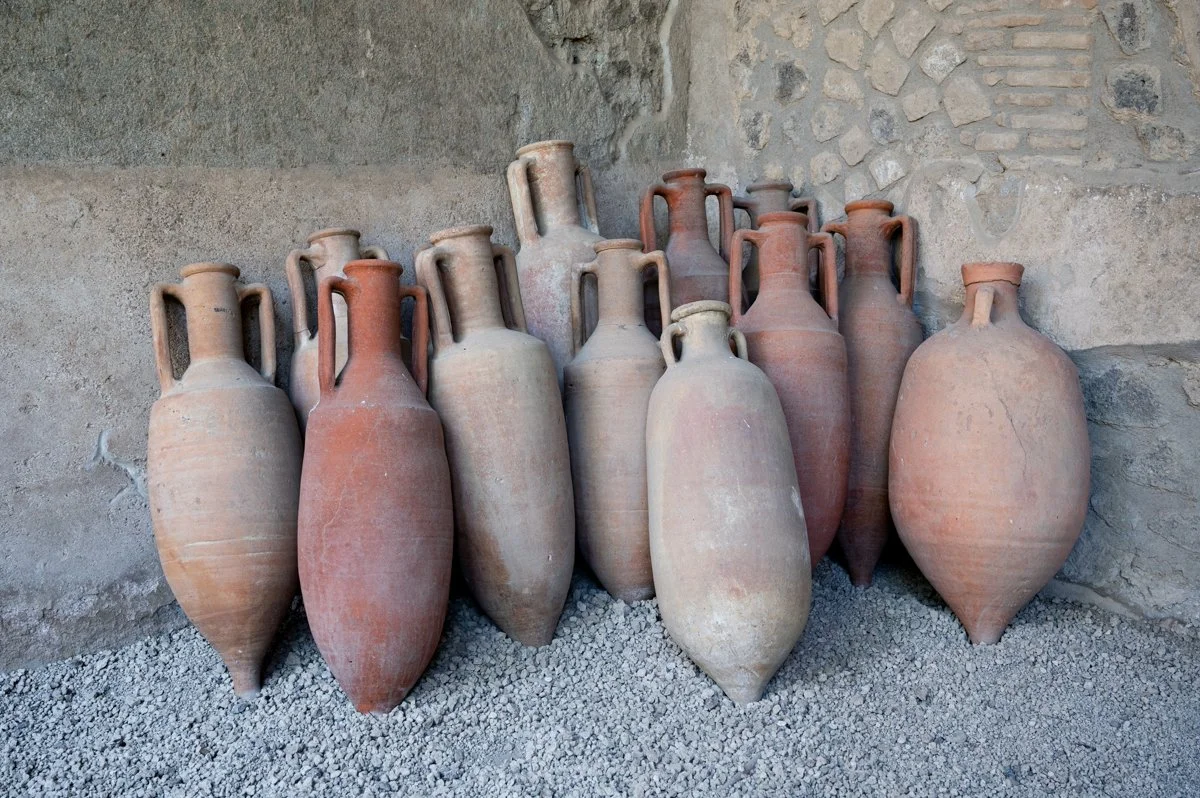
Eight years later, I was finally got the chance to visit this site again - in a different season, with the best company I could ask for, and with a fully charged camera. While it was a lot busier, sunnier and hotter (and earned me my first sunburn of the year), not only did I have more fun, but I found myself being more emotionally involved. Walking around, we picked up snippets of information from tour guides explaining the use and function of different buildings and the lifestyles of the people living in them before the eruption to their respective groups while we dreamt up the rest. Strolling through the alleys, we imagined what it would have been like living in those houses, depending on if you were a slave, a merchant or a military commander and compared the site to our modern cities with their main shopping street, central baths (which now might be a public pool or luxury Spa), bakeries, theatres, political and religious centres, prisons, brothels and average residential districts with their narrow streets…
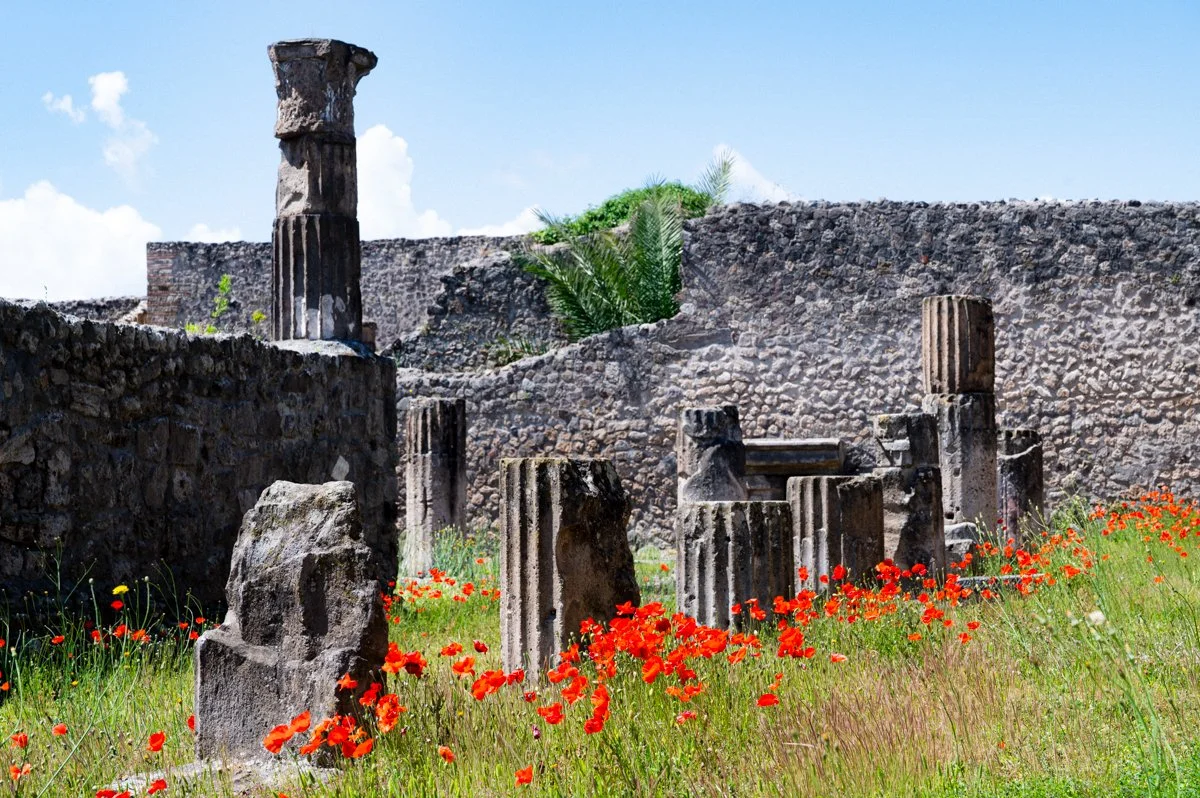
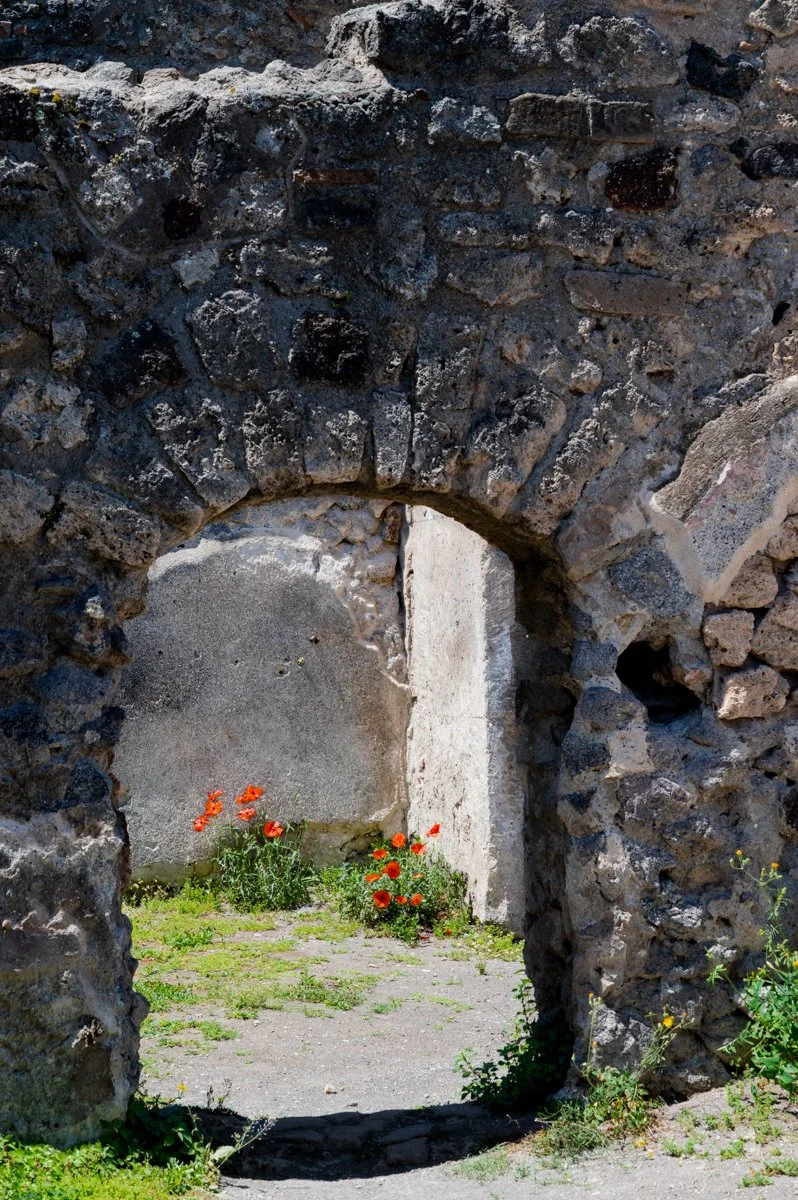
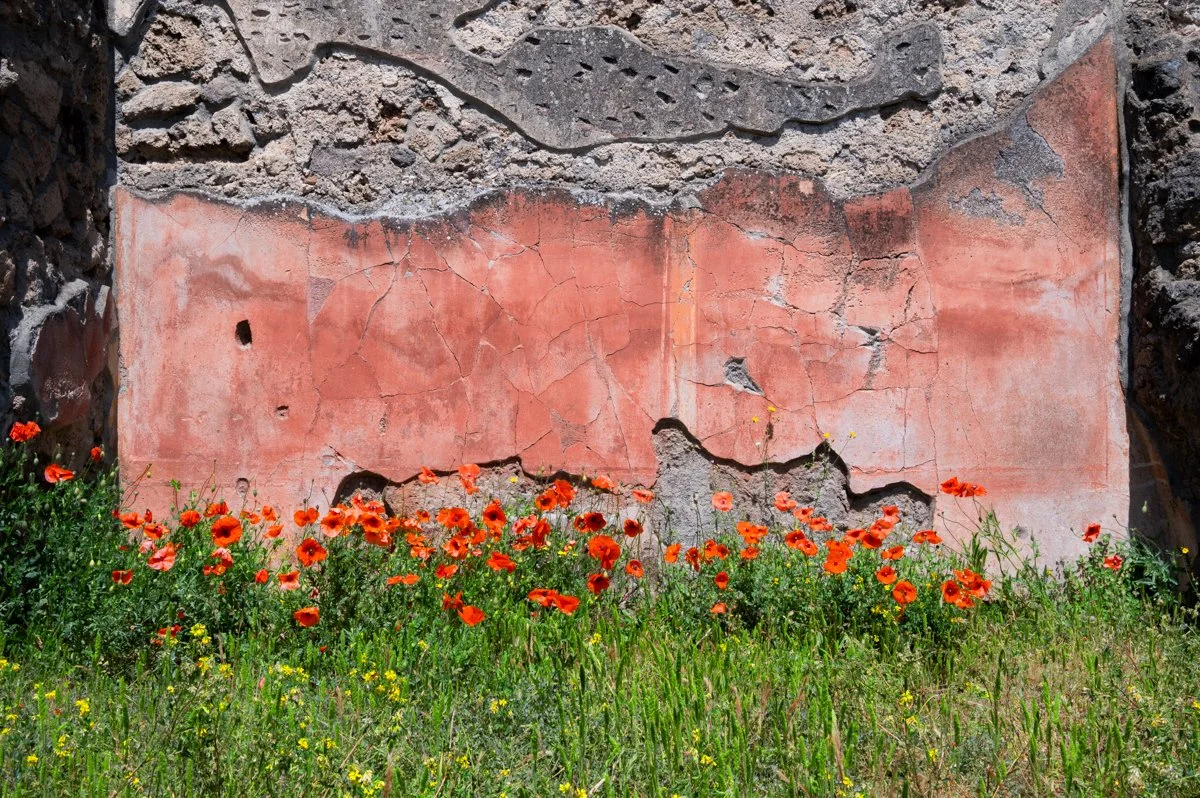
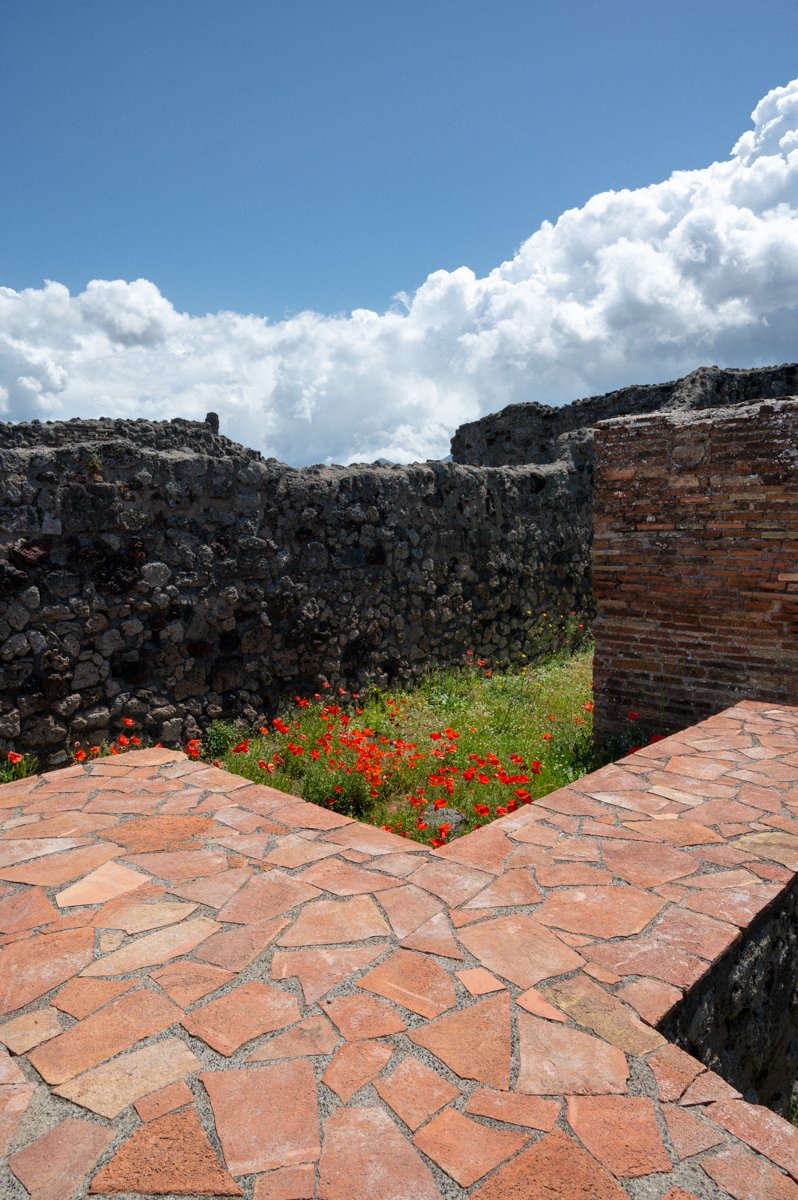
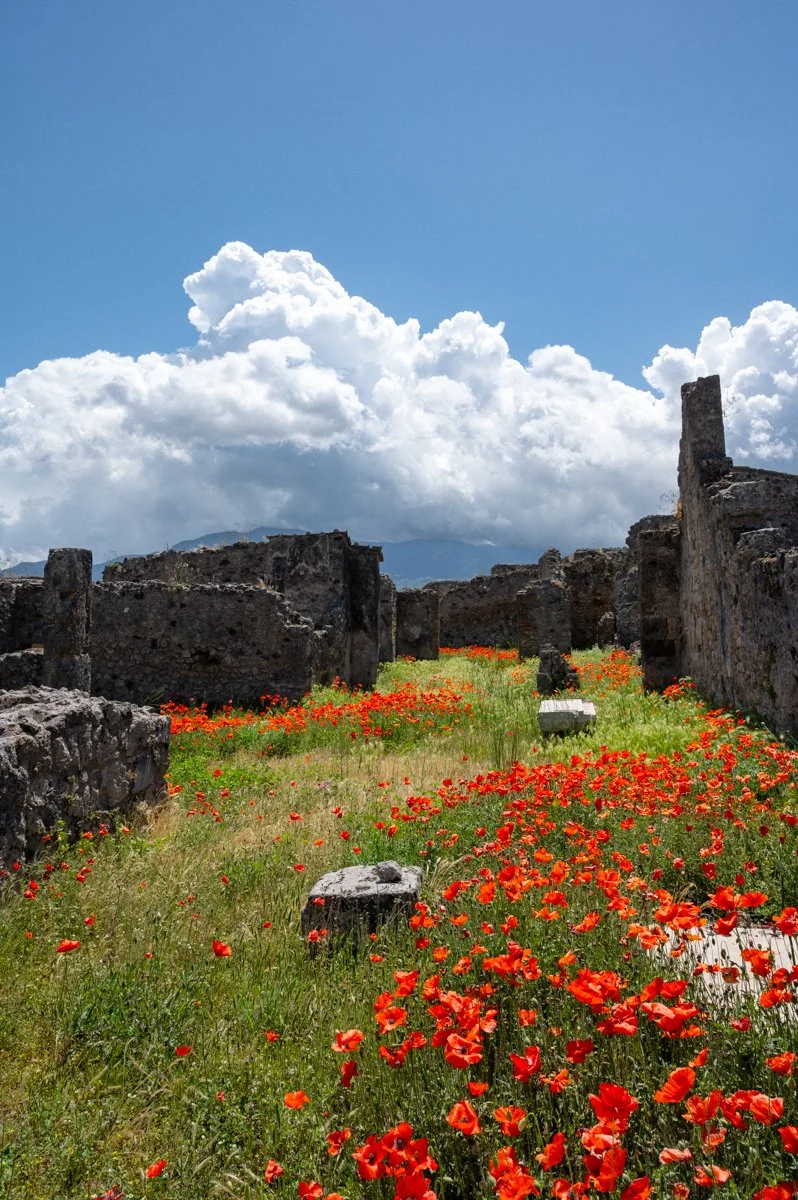
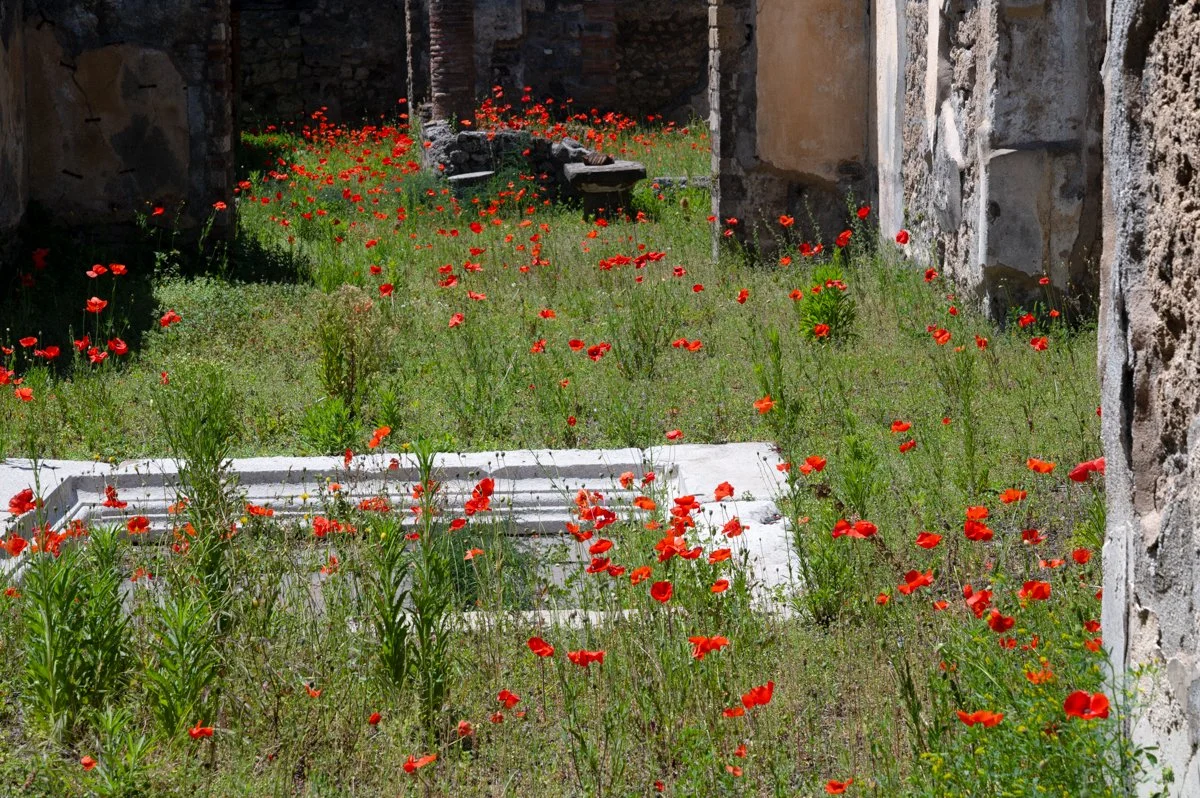
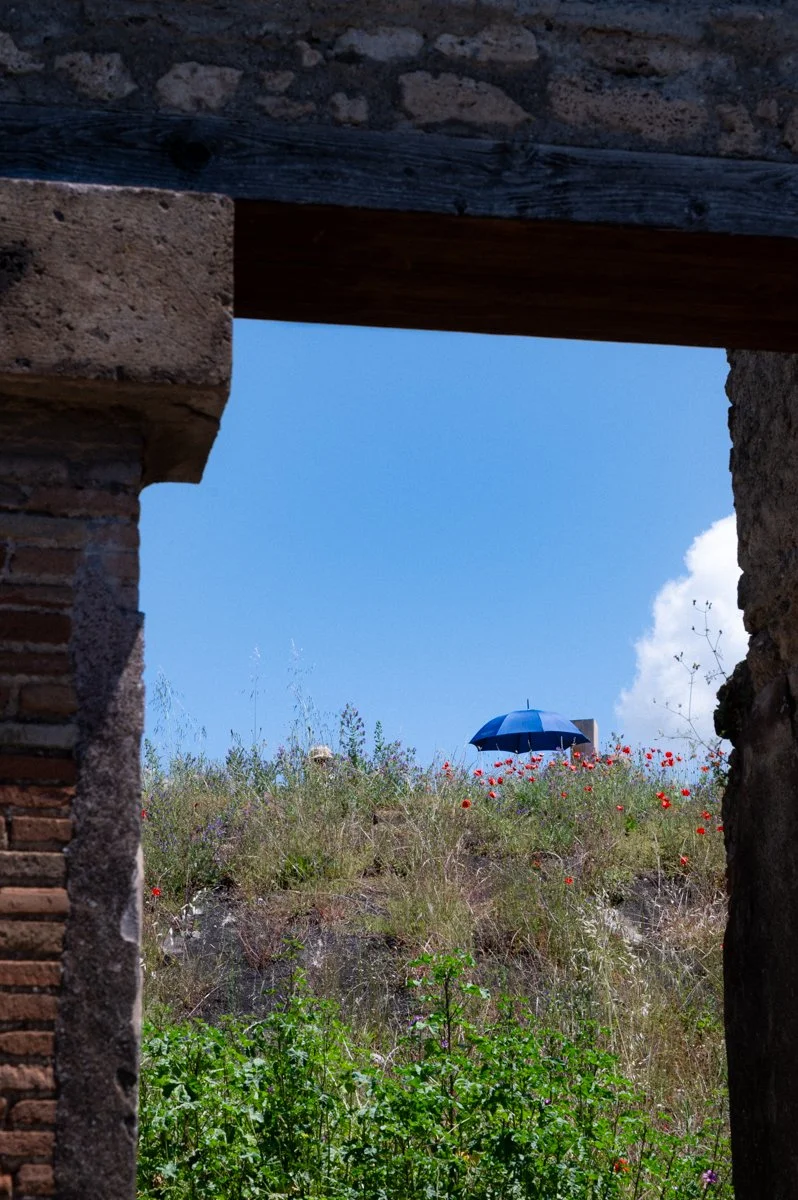
I loved the fact that the Poppies were in full bloom and nature was being given the same right and space to grow as the new archaeological and excavation missions.
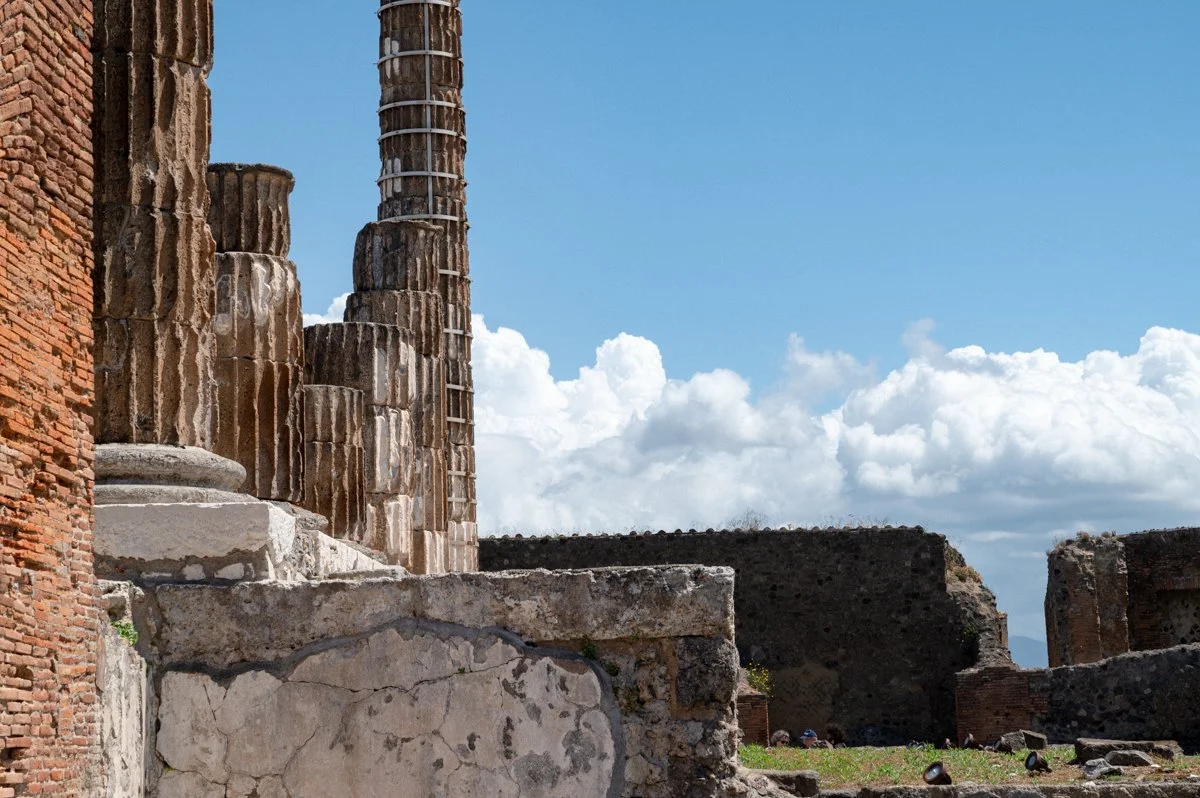
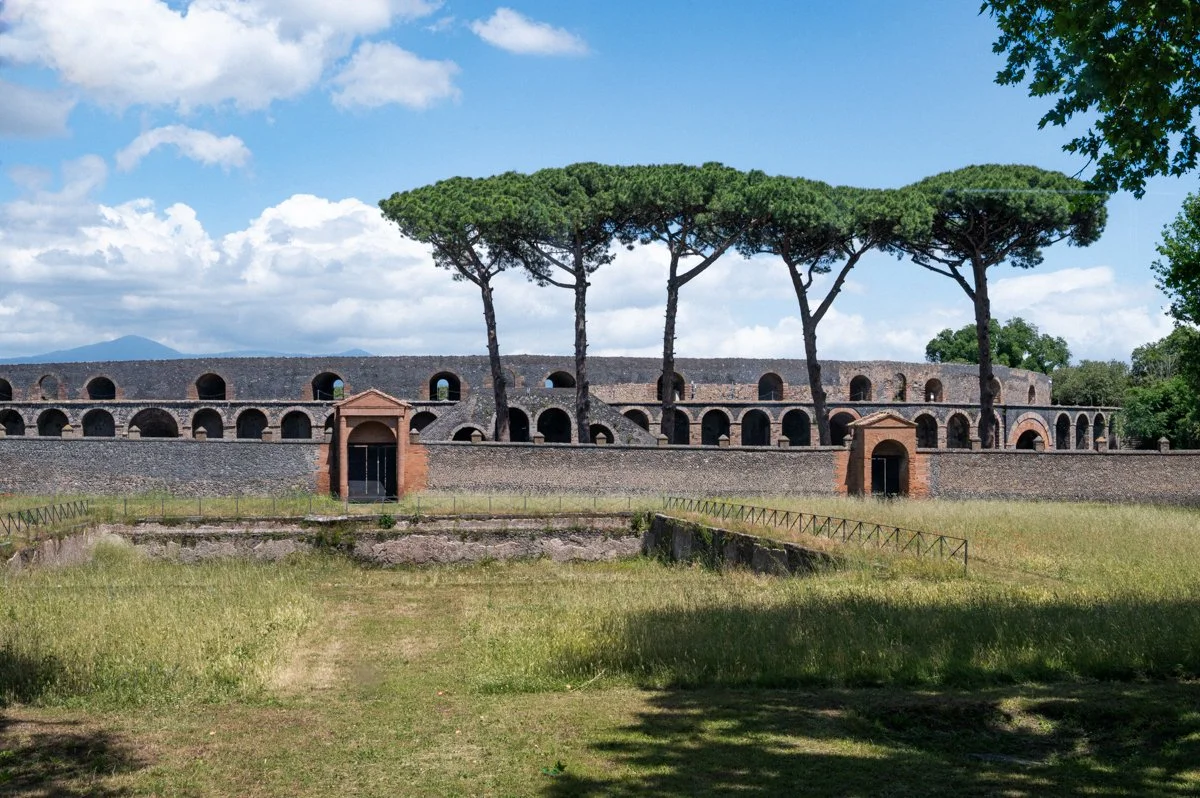
Our visit ended at the Large Palaestra (last picture) with beautiful, touching displays of body casts from those that had remained in Pompeii despite the evacuation efforts, frozen in their last positions. The exhibition also had animal skeletons, human-made artifacts and wall paintings, completed by historical and geological explanations, quotes from the first archaeologists working on the site and an impressive video reconstructing the 79 AD eruption timeline.